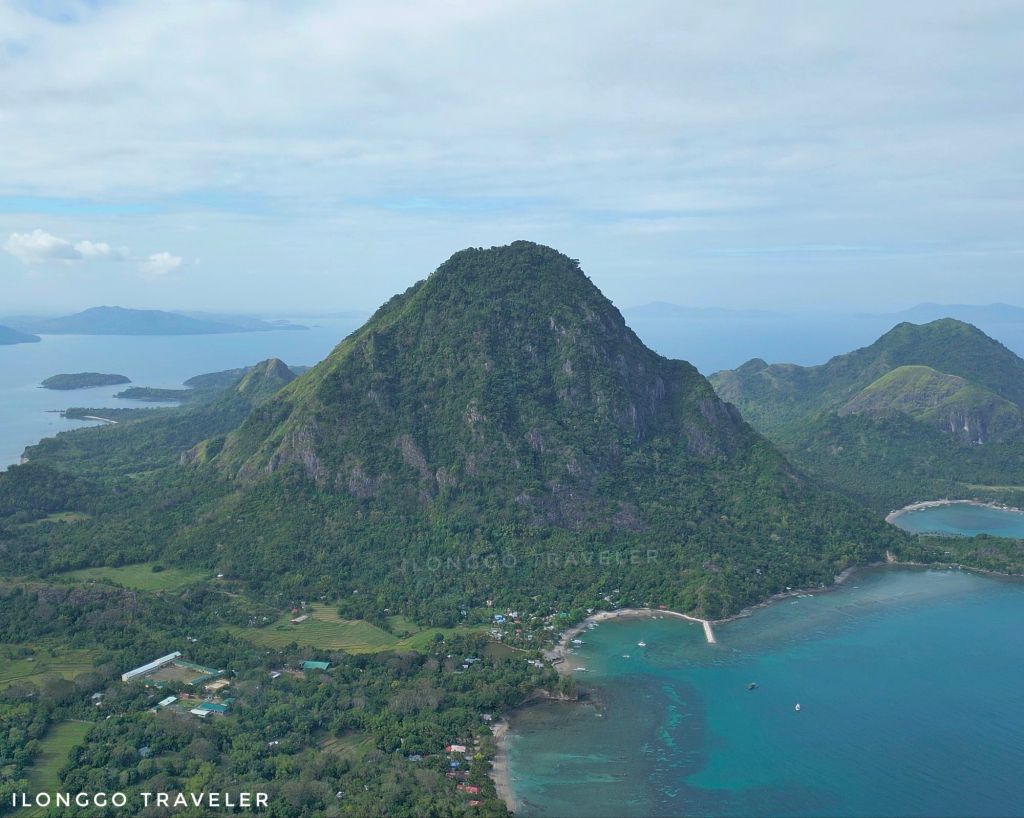
The Iloilo provincial government, under Governor Arthur Defensor Jr.’s “Turista sa Barangay” program, aims to transform Pan de Azucar Island into an eco-tourism site. This initiative, spearheaded by the Provincial Culture, Arts, History and Tourism Office (PCAHTO), involves a collaborative effort with the island’s three barangays: Tambaliza, Talo-toan, and Macatunao. A consultation held on May 5, 2025, identified key challenges hindering the island’s tourism potential. These include inadequate water and power supply, poor telecommunications, deficient road infrastructure, a lack of tourism activities and local tour circuits, weak community support, and poor implementation of local ordinances.
In response, the provincial government pledged to address these issues through infrastructure development, community capacity building, and the establishment of tourism support facilities. Provincial Tourism Officer Gilbert Marin emphasized the importance of addressing these challenges to enhance the island’s competitiveness. The three barangays have committed to collaborate and protect the island’s natural resources, further solidifying the initiative. A joint resolution advocating for the eco-tourism declaration will be submitted to the Sangguniang Bayan of Concepcion. The governor’s commitment to providing infrastructure support underscores the long-term vision for the island’s sustainable development.
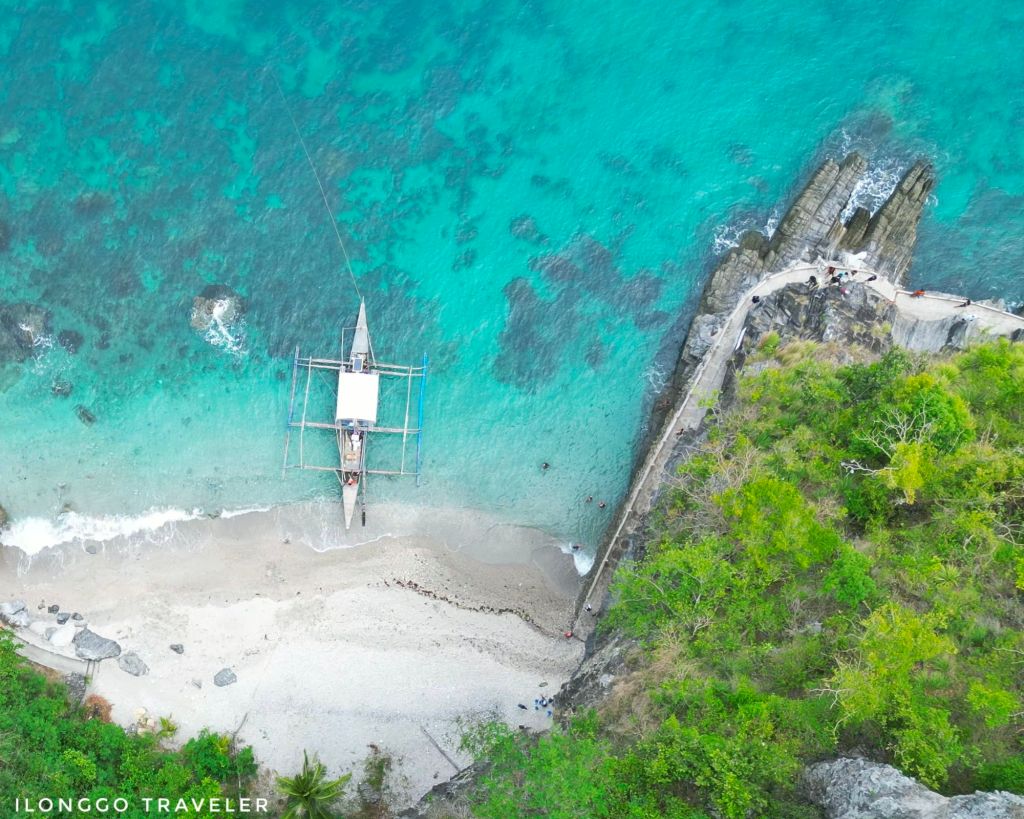
Mt. Manaphag and Pan de Azucar Island’s Potential
Mt. Manaphag, located on Pan de Azucar Island, is a significant landmark and a key element in the eco-tourism plan. Its height and the island’s rich biodiversity and natural beauty make it an ideal location for eco-tourism. The island’s unique features, including its steep slopes and diverse ecosystems, offer opportunities for hiking, nature exploration, and other eco-friendly activities.
Previous Concerns and Ongoing Efforts
Past concerns regarding mining activities on the island highlight the importance of sustainable development and environmental protection. The provincial government has actively opposed the renewal of mining permits, emphasizing its commitment to protecting the environment and the island’s natural resources. Concerns about potential arsenic contamination from previous mineral exploration activities have also been addressed through investigations and collaborations with relevant agencies. The current eco-tourism initiative aims to balance economic development with environmental preservation, ensuring a sustainable future for Pan de Azucar Island.
Other Eco-Tourism Sites in Iloilo
The PCAHTO has also nominated several other sites for eco-tourism development, showcasing the province’s commitment to promoting sustainable tourism. These include Katunggan Eco-Park in Leganes, marine sanctuaries in San Joaquin, Silagon Eco Park and Barangay Pedada Eco Park in Ajuy, Alimodias Rice Terraces in Miagao, Mari-it Wildlife and Conservation Park in Lambunao, and Hibotkan Rock Marine Sanctuary in Banate. This broader strategy demonstrates a comprehensive approach to developing Iloilo’s tourism sector while preserving its natural heritage.
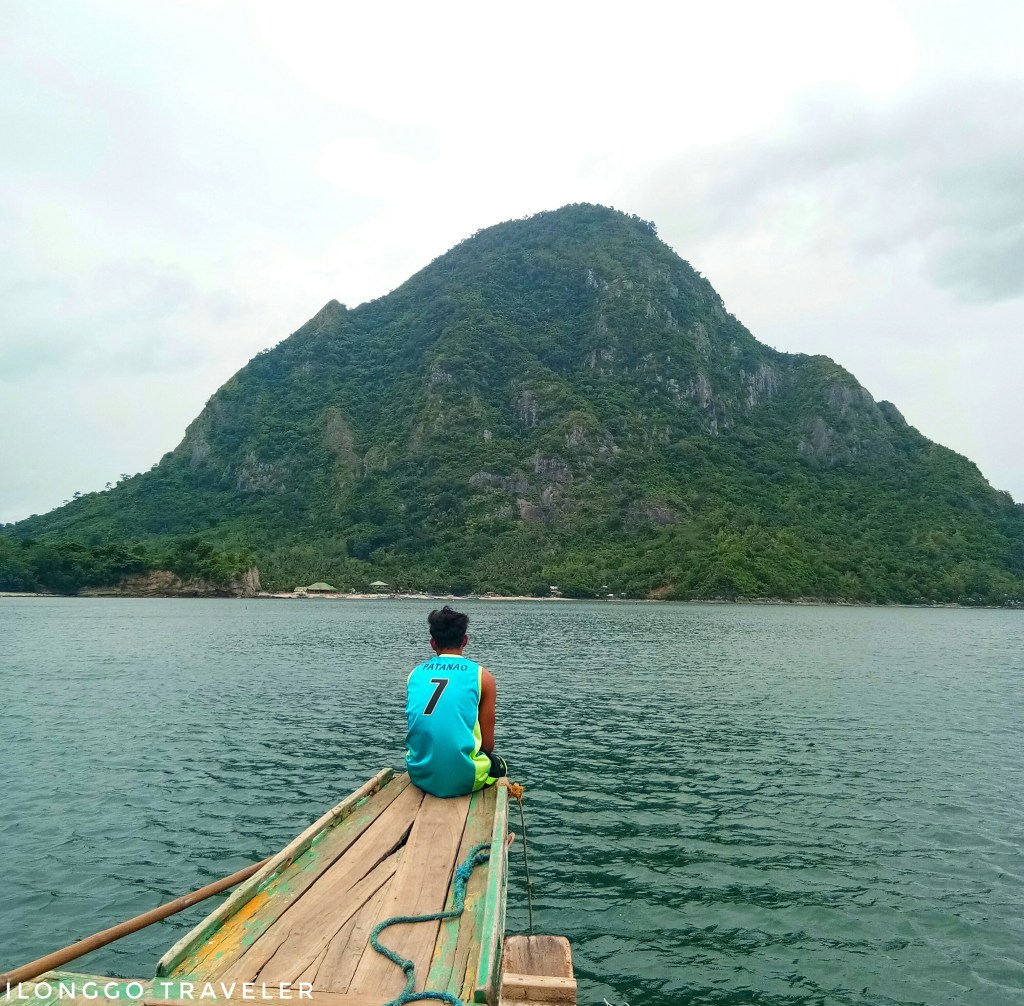
The Iloilo provincial government’s initiative to develop Pan de Azucar Island as an eco-tourism destination represents a significant step towards sustainable tourism in the region. By addressing the island’s infrastructural and community-related challenges, the government aims to unlock its immense potential while protecting its unique environment. The success of this initiative will depend on continued collaboration between the government, local communities, and relevant stakeholders. The integration of Mt. Manaphag into the eco-tourism plan further enhances the island’s appeal and offers opportunities for unique and sustainable tourism experiences. The broader context of other nominated eco-tourism sites underscores the province’s commitment to sustainable tourism development.
 Ilonggo Traveler
Leave a comment