
Seco Island is a hidden, uninhabited sandbar off the coast of Tibiao, Antique, in the Philippines. Known for its crystal-clear waters, white sand, and vibrant marine life, it’s a quiet escape in the Visayan Sea. The island is part of a protected marine zone, managed by local communities and the Bantay Dagat (coastal patrol) to maintain its ecological health.
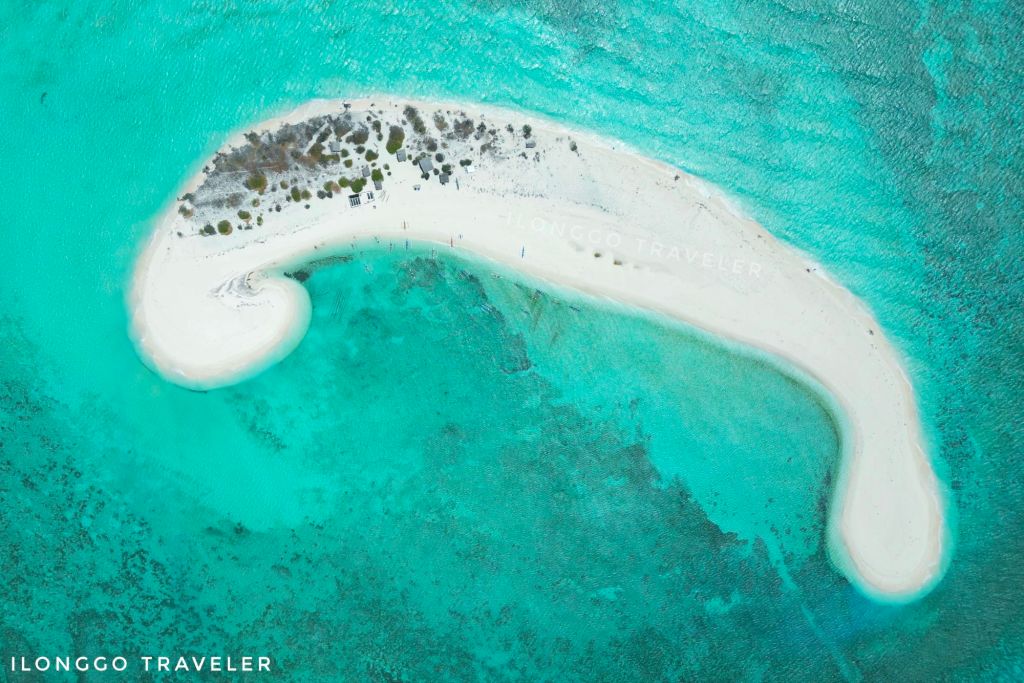
Why the Name “Seco”?
The name “Seco” comes from the local Kinaray-a and Hiligaynon word siko, which means “elbow.” This describes the island’s unique curved shape, resembling a bent arm when seen from above. Over time, the term siko shifted to “Seco,” possibly influenced by Spanish colonial records. For generations, fishermen have relied on this distinct shape as a natural landmark to navigate the seas.
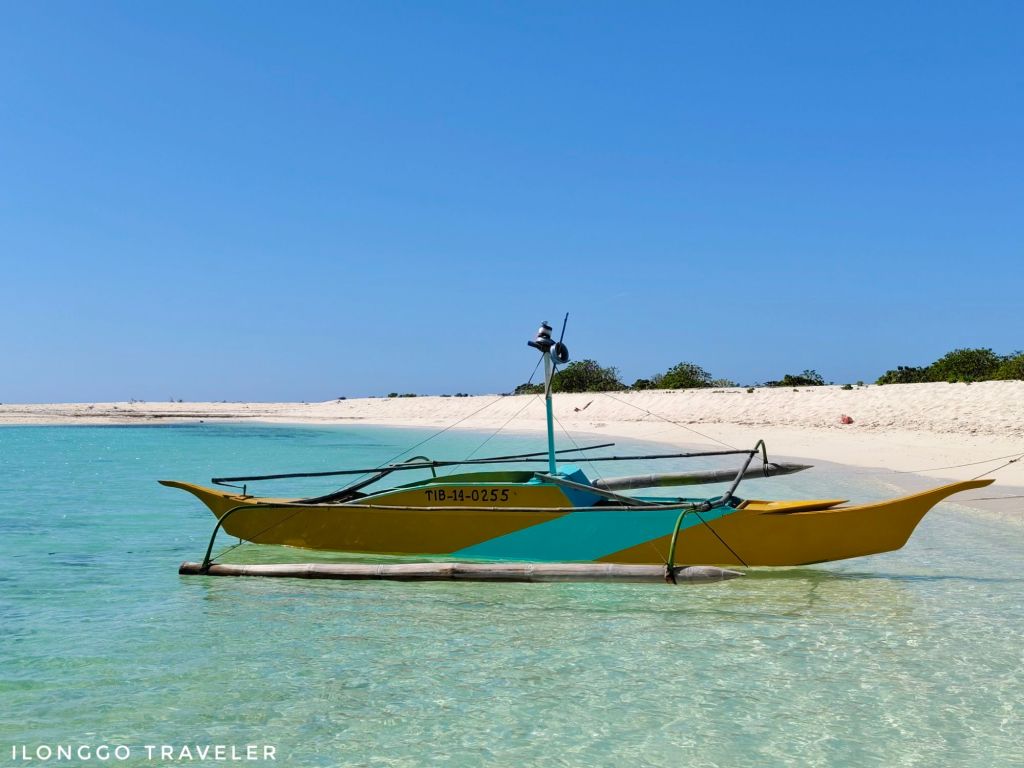
shelter to the local fishermen
Seco Island’s Role for Local Fishermen
The island has long been a crucial rest stop for Tibiao’s fishing communities. Its sheltered waters provide a safe spot to anchor boats, repair nets, or wait out rough weather. Fishermen often camp overnight, drying their catch on the sun-warmed sand. This tradition underscores Seco’s deep ties to Antique’s coastal livelihoods.
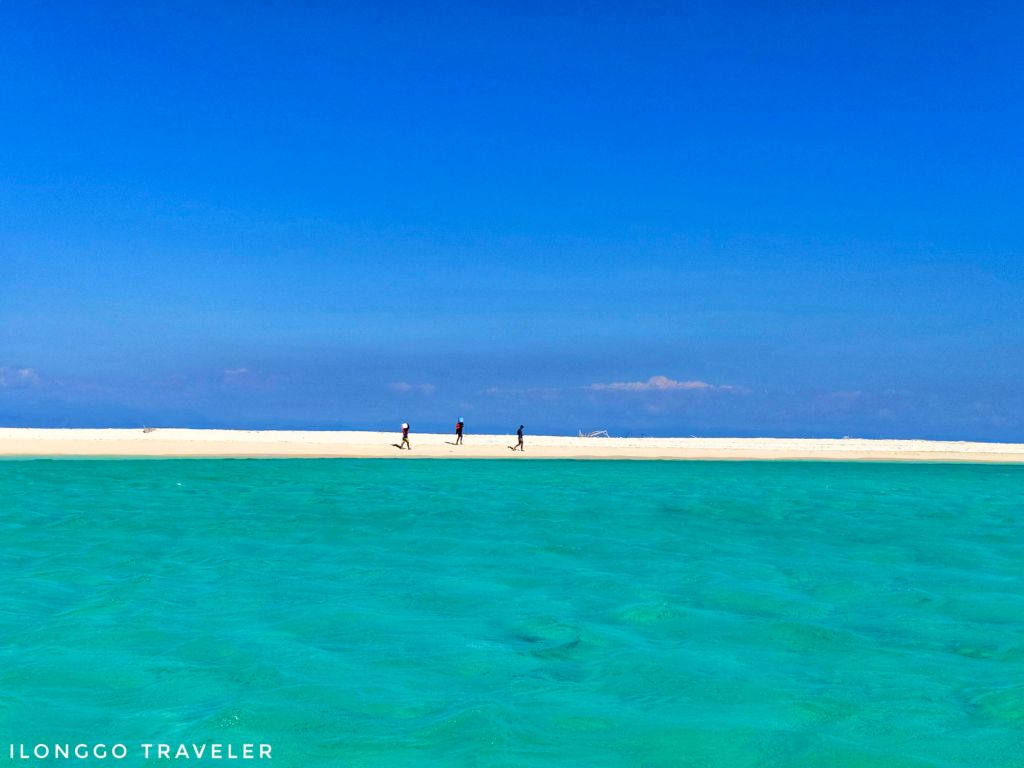
Conservation Efforts: Bantay Dagat
The Bantay Dagat, a volunteer coastal patrol, monitors the island to prevent illegal fishing and protect marine habitats. Their work helps preserve coral reefs, seagrass beds, and endangered species like sea turtles. Visitors must follow strict rules to avoid disturbing the ecosystem.

Visiting Seco Island: What to Know
Access is currently restricted to protect the island’s fragile environment. To visit:
1. Contact the Tibiao Local Government (LGU) at least 2–3 days ahead. Reach out via their municipal office phone or Facebook page for permits.
2. Join a guided trip approved by the LGU. Private boats are not allowed.
3. Pay a small environmental fee (around ₱150 per person) to support conservation.
Note: Visits may be canceled during breeding seasons for marine life or bad weather. Confirm with the LGU before planning.
How to Reach Seco Island
1. From Manila: Fly to Iloilo or Caticlan, then take a bus or van to Tibiao (3–4 hours).
2. From Tibiao Town: The LGU arranges boat transfers (1–1.5 hours). Only small, eco-friendly boats are permitted.
Activities on Seco Island
- Snorkeling: Explore coral gardens filled with colorful fish. Bring your own gear.
- Birdwatching: Look for migratory birds like terns resting on the sandbar.
- Camping: Overnight stays are rare but possible with LGU approval. Pack all supplies, including water (there’s no freshwater on the island).
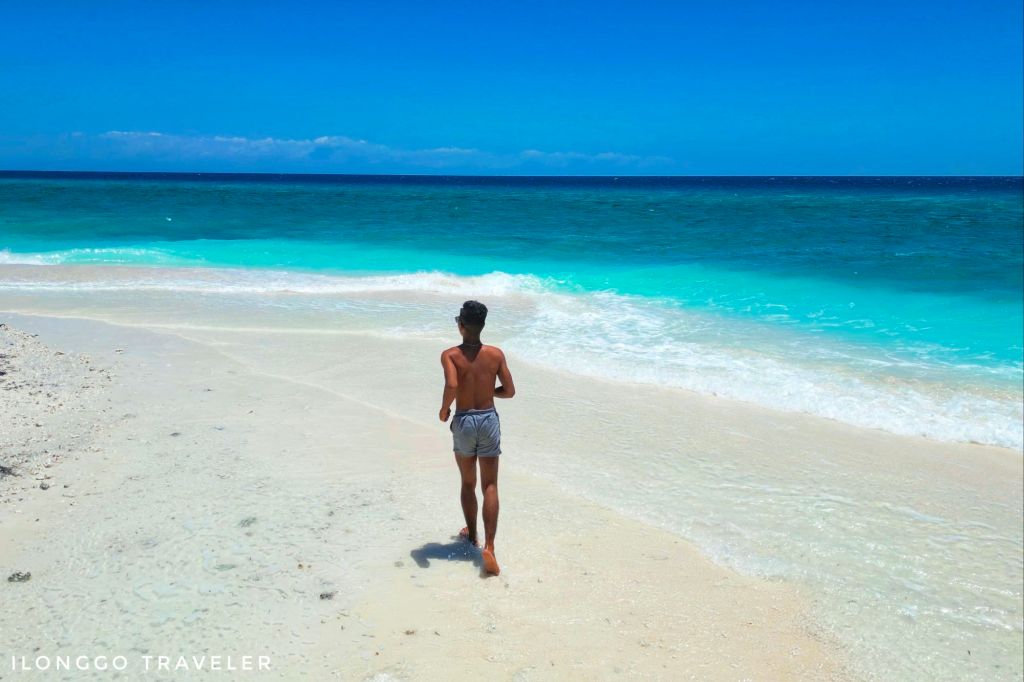
- Photography: Capture the island’s stark beauty—endless white sand against turquoise waves.
Nearby Attractions in Tibiao
If Seco Island access is delayed, explore these spots:
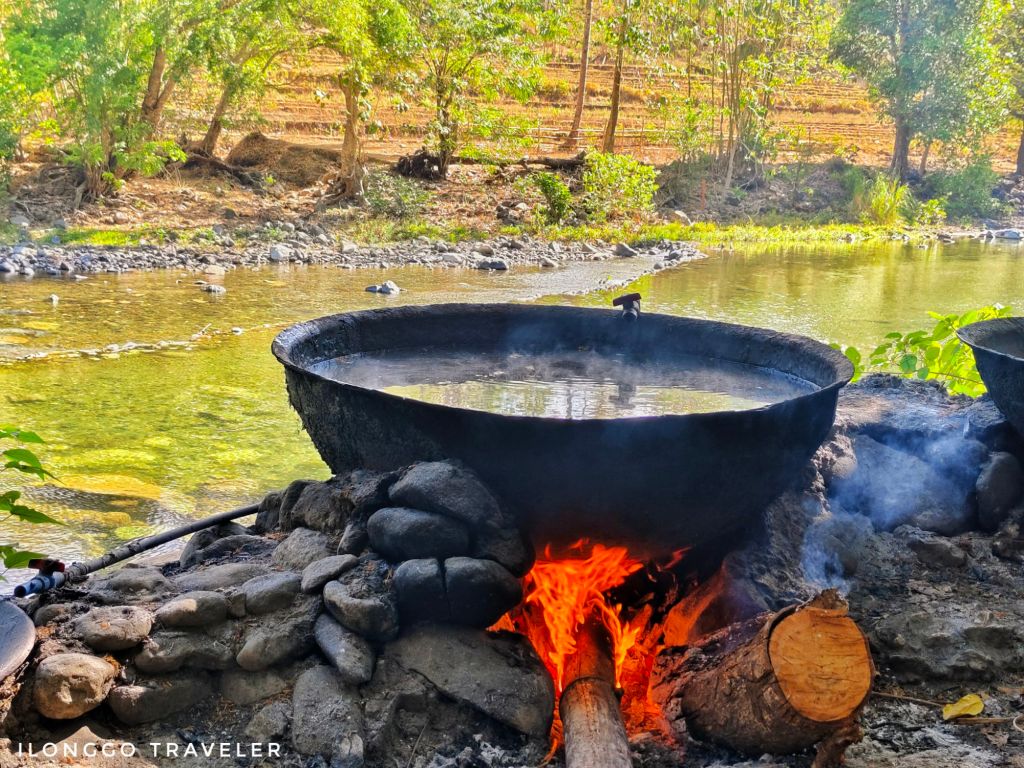
- Kawa Hot Bath: Relax in a giant cauldron filled with herbal hot springs.
- Bugtong Bato Falls: A seven-tiered waterfall perfect for hiking and swimming.
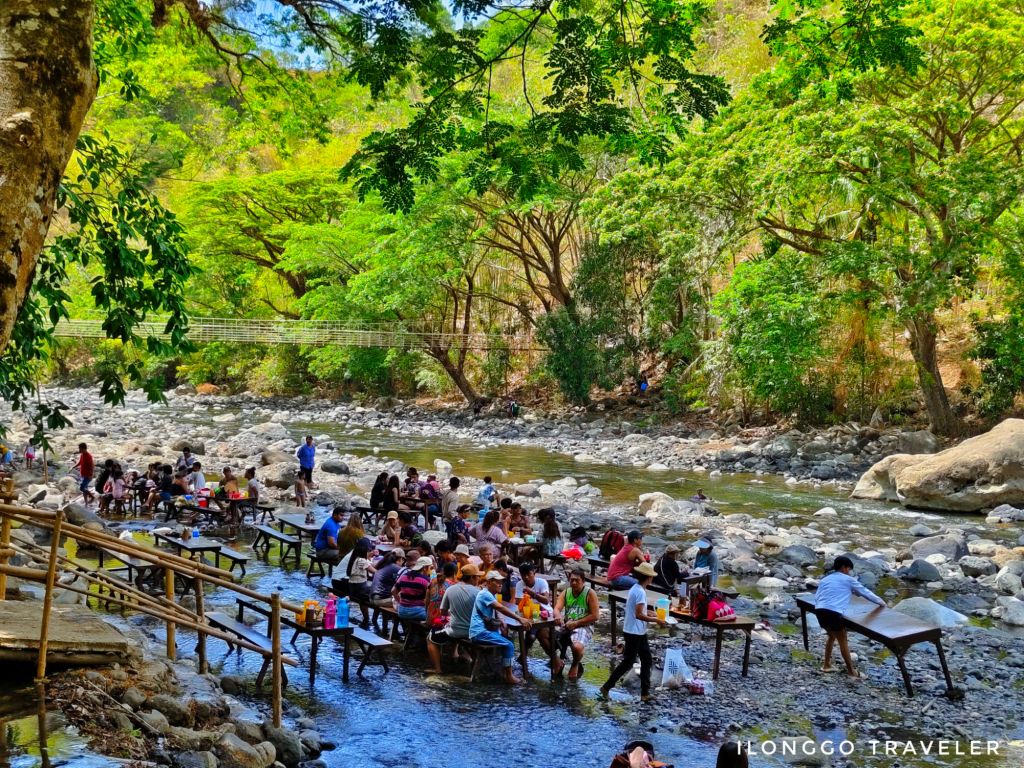
- Tibiao River: Try bamboo rafting or kayaking through lush landscapes.
Key Tips for Visitors
- Pack everything: No shops or facilities exist on the island. Bring food, water, sunscreen, and trash bags (take all waste back).
- Respect marine life: Avoid touching corals or chasing animals.
- Check weather forecasts: Monsoon rains (June–October) can make boat trips unsafe.

Seco Island remains a pristine example of Antique’s commitment to balancing tourism and conservation. By planning responsibly, visitors can enjoy its untouched beauty while helping safeguard it for the future.
For updates, contact the Tibiao Municipal Tourism Office amor message their official Facebook page.
 Ilonggo Traveler
Leave a comment