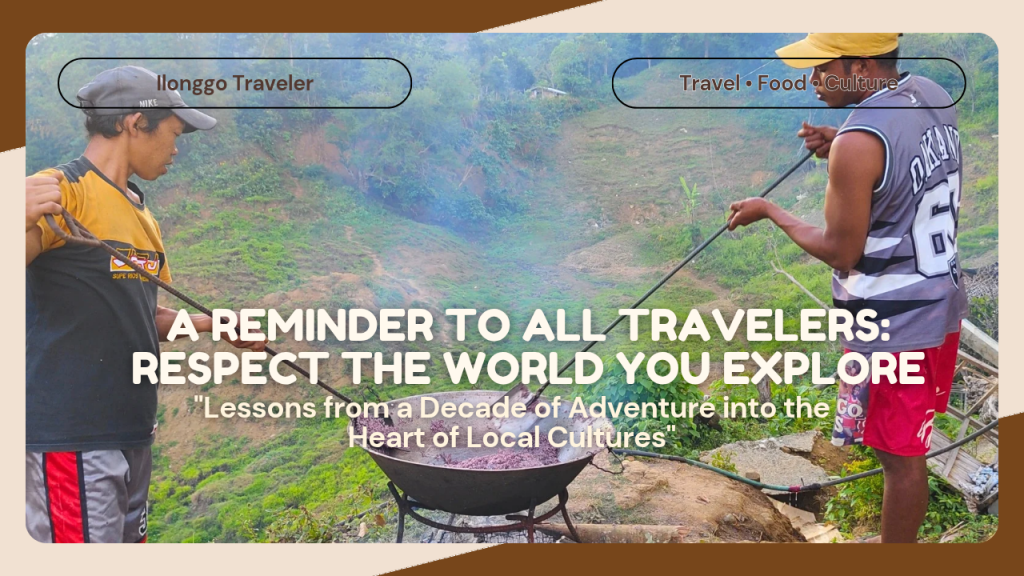
Over the past ten years, I’ve wandered through remote villages in the Panay Island, shared meals with sea nomads in Palawan, and learned traditions from Mindanao’s Indigenous tribes. One truth stands clear: to travel is to listen, not just see. Respect isn’t a checklist—it’s the quiet understanding of another’s way of life, the humility to embrace unfamiliar flavors, and the awareness that every place is someone’s home.
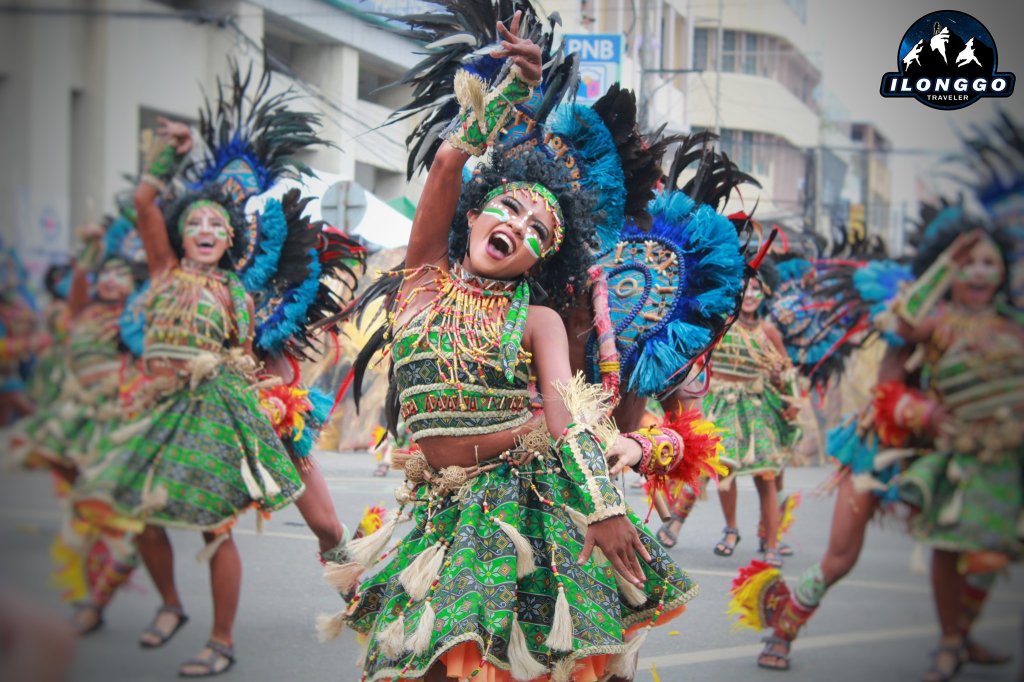
Respect CULTURE: It’s Not Yours to Judge
From the Suguidanonay of Calinog’s Panay Bukidnon to the pangalap (spirit dances) of the T’boli, traditions are lifelines to ancestry. These practices aren’t performances; they’re identities. When invited to a fiesta in Panay Island or a bayanihan (community effort) in a Visayan village, participate with humility. Remove your shoes before entering homes, cover your shoulders at sacred sites, and never dismiss rituals as “primitive.” Respect is in the details: a bowed head, a patient pause, a sincere “Salamat po.”
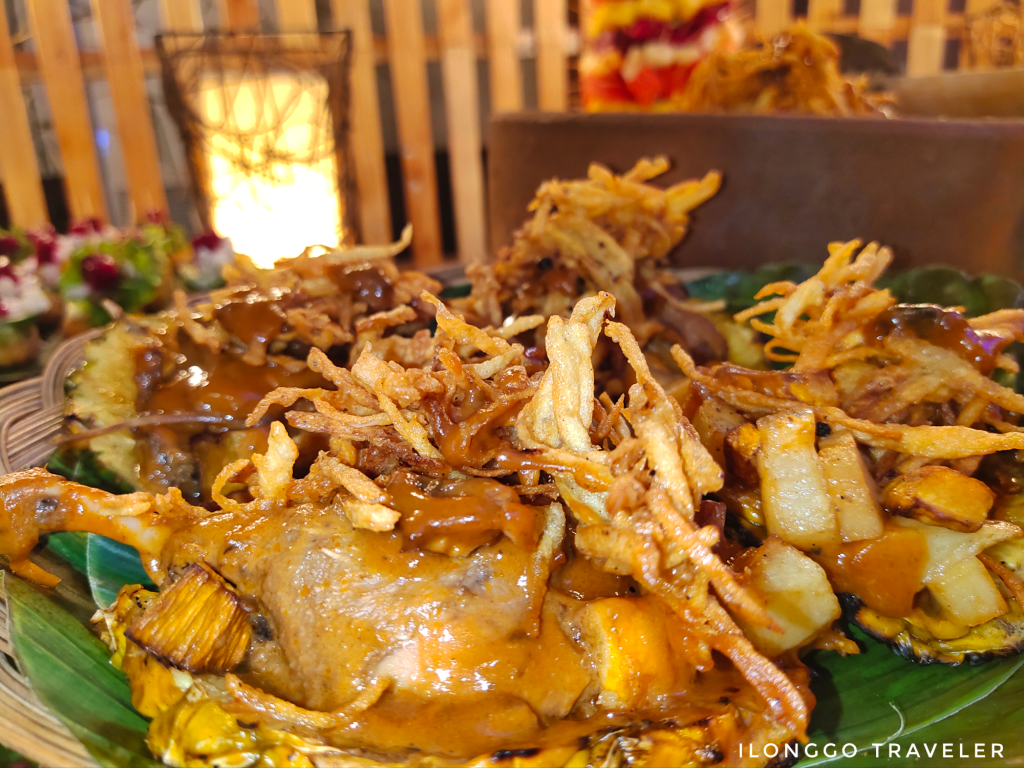
Respect FOOD: Every Bite Tells a Story
Food is where pride and history collide. Take the recent YOBAB incident: a traveler’s public disdain for Iloilo City’s local pastries and drinks in a coffee shop sparked outrage among Ilonggos. What she dismissed as “unrefined” was someone’s livelihood, crafted with generations of care. Iloilo’s butterscotch (caramelized bread) and barquillos (crispy rolls) aren’t just snacks—they’re heirlooms. When offered kadyos (pigeon pea stew) in Antique or tamilok (woodworm) in Capiz, remember: declining politely costs nothing, but mocking costs trust.
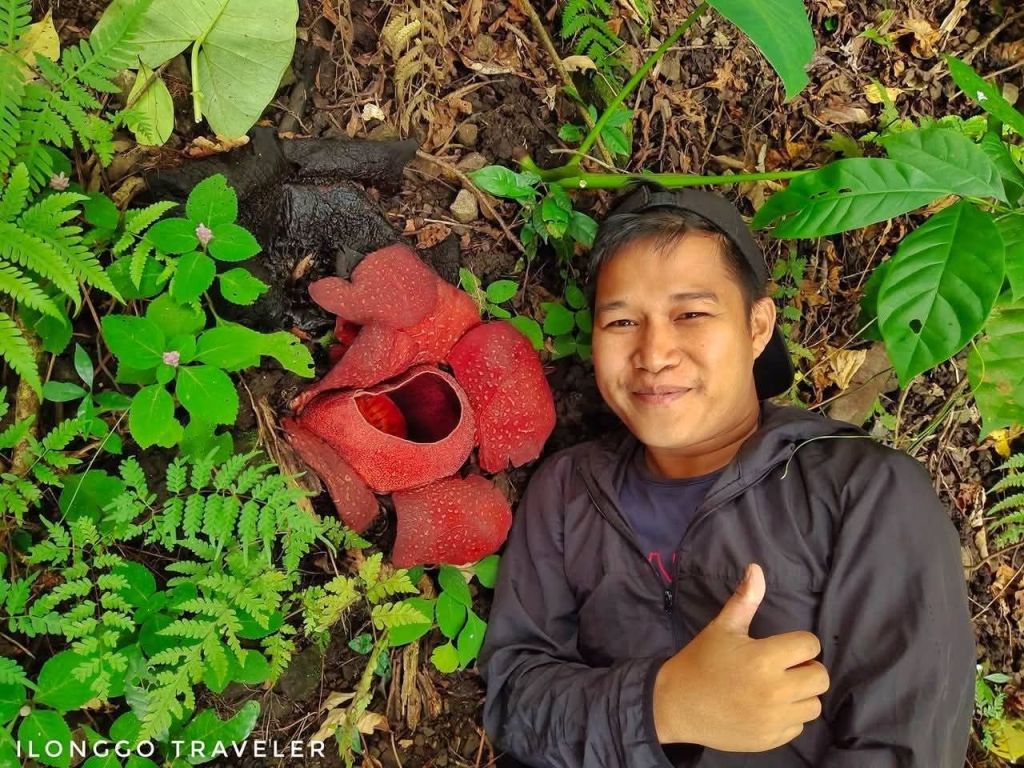
Respect PLACES: Leave No Trace
The rice terraces of Banaue, the coral gardens of Apo Island in Negros Oriental, and even the bustling alleys of Cebu’s Carbon Market aren’t playgrounds. That “harmless” selfie on a centuries-old church altar? The litter tossed into El Nido’s lagoons? These acts etch permanence. Stick to trails, heed “Bawal” (prohibited) signs, and treat sari-sari stores and jeepneys as you would your neighbor’s front porch.
Respect PEOPLE: They’re Not Props
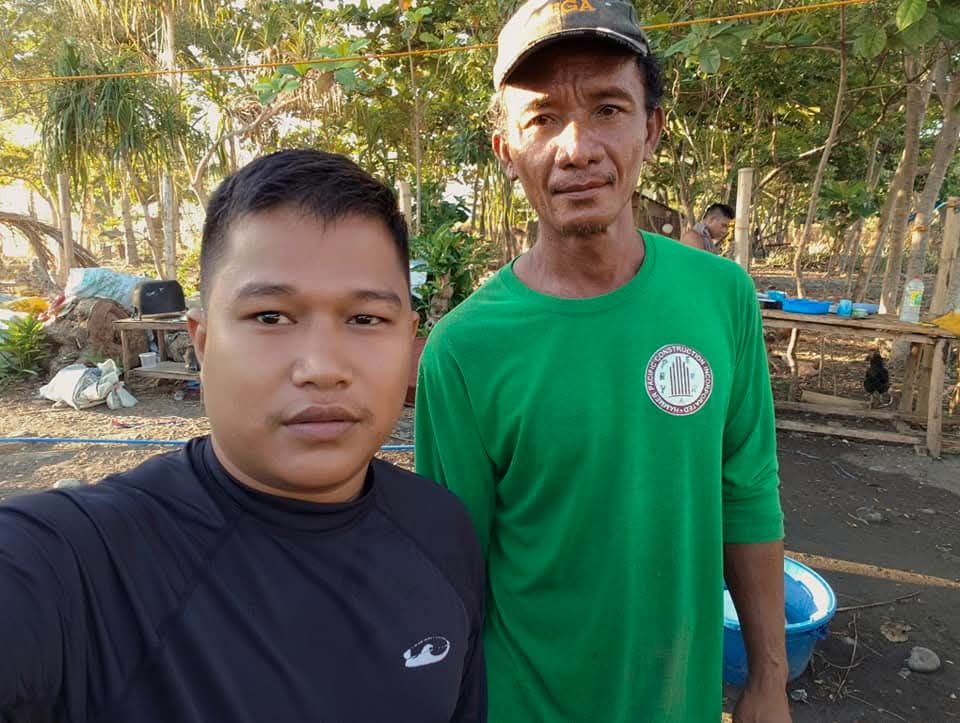
The Ifugao carving bulul (rice gods), the Badjao free-diving for pearls, and the habal-habal driver navigating Panay’s dirt roads aren’t characters in your travel reel. Ask permission before photographing faces. Learn a phrase like “Maayong buntag” or “Maayong aga” (Good morning) or “Kumusta ka?” (How are you?). And when haggling at a market, remember: that ₱20 you’re arguing over could be a child’s school allowance.

Why This Matters
Travel transforms us when we approach it with open hands, not clenched fists. The YOBAB incident wasn’t just about coffee and pastries—it was a failure to see the humanity behind them. But for every misstep, there’s hope: the backpacker who spends a week helping replant mangroves in Guimaras, the tourist who learns a folk song to share with elders, the visitor who returns years later because a place felt like family.
Remember: Carry Respect, Leave Grace
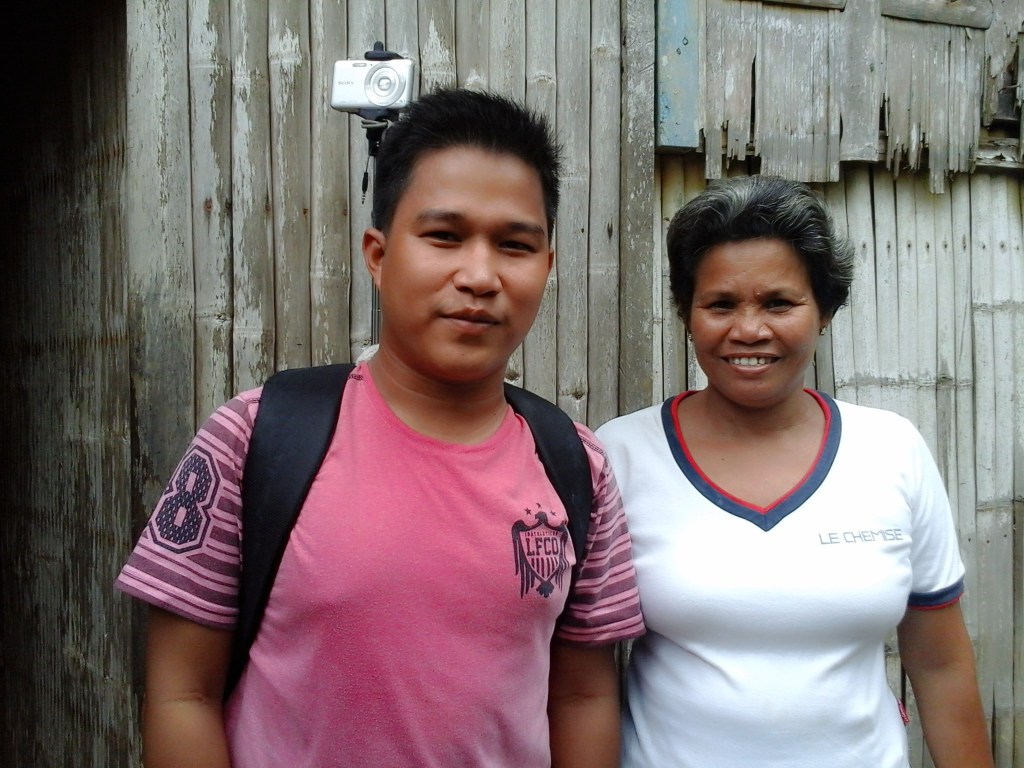
After a decade of navigating jeepneys, homestays, and uncharted trails, I’ve learned that the best souvenirs aren’t trinkets—they’re the smiles of a nanay (mother) who taught you to cook a simple local meal, the nod of a Tribe Chief (or tribal leader) who shared his people’s legends, and the quiet pride of knowing you honored their world.
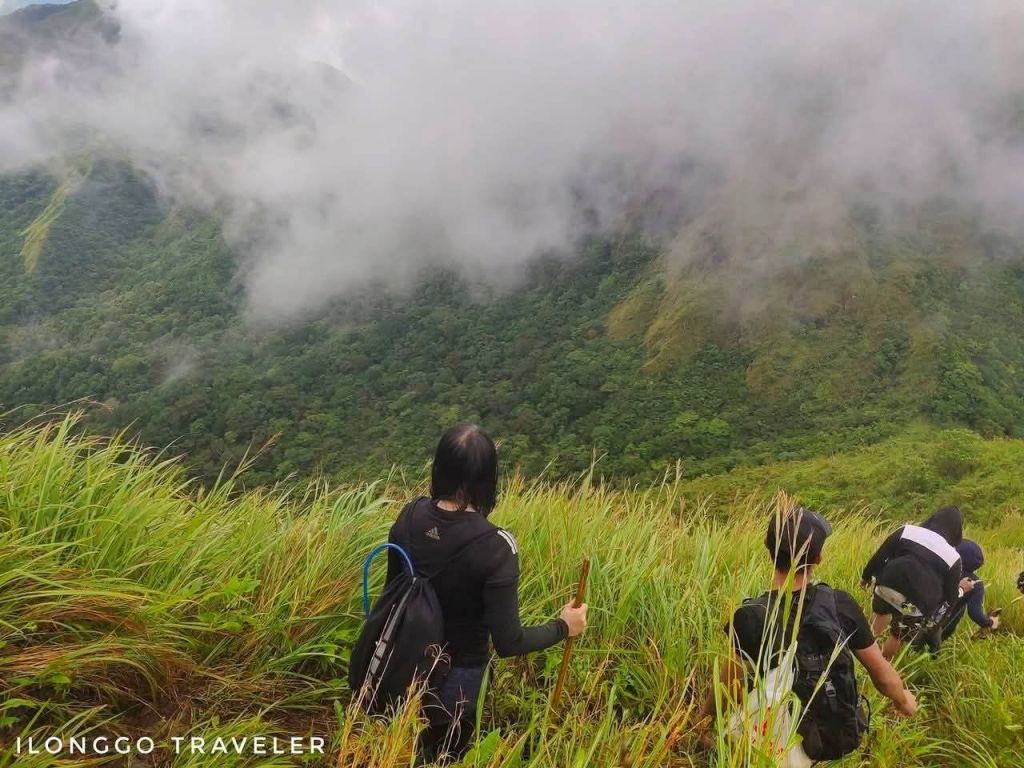
As I always say: “Ang paglalakbay ay hindi tungkol sa’yo.” (Travel isn’t about you.) It’s about the hearts and homes that welcome you.
Explore with your heart, not just your feet. 🌏
 Ilonggo Traveler
Leave a comment