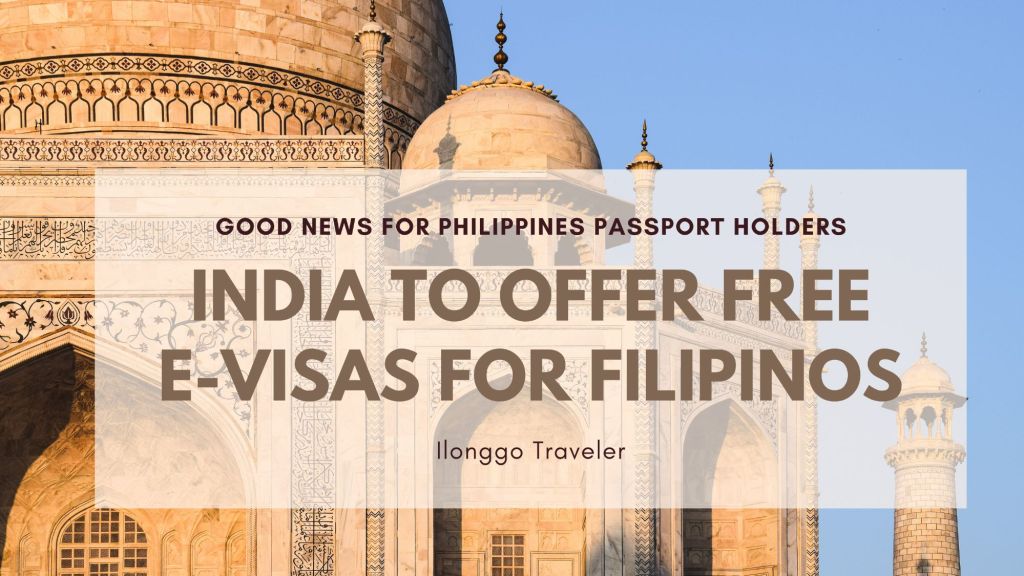
On August 5, 2025 in New Delhi, India announced that it will grant free electronic tourist visas (e-visas) to citizens of the Philippines. Prime Minister Narendra Modi made the announcement during a joint press conference with Philippine President Ferdinand R. Marcos Jr., who is on a state visit to India. The move reciprocates Manila’s decision (from June 2025) to allow Indian tourists visa-free entry for short visits. In tandem, both sides agreed to resume direct air service between New Delhi and Manila in October 2025 to make travel easier. The visa changes and improved connectivity are intended to boost tourism, trade and people-to-people ties between the two countries.
Key Highlights
Reciprocal visa access: India will issue free online tourist visas to Filipino nationals, while the Philippines now admits Indian tourists without a visa for up to 14 days.
Direct flights: Air India will launch non-stop Delhi–Manila flights (five times weekly) starting October 1, 2025, using Airbus A321neo aircraft. Both leaders “welcomed the scheduled direct flights” to begin in the coming months.
Strategic Partnership: On the same day, India and the Philippines formalized a Strategic Partnership, signing a Plan of Action for 2025–2029 that covers defence, trade, tourism, and more. Modi noted the 75th anniversary of bilateral ties and said the nations had “decided to elevate our relations to the status of a strategic partnership” with a comprehensive action plan.
Maritime and security cooperation: The visit highlighted maritime security. Marcos thanked India for rescuing Filipino sailors from a 2024 Houthi rebel attack and called India “the first responder in this critical area”. Both countries pledged to work for a free and open Indo-Pacific. They even held joint naval exercises in the South China Sea during the visit, underscoring their defence and maritime cooperation.
Visa and Travel Policies
India’s new e-visa scheme will cover tourist visits by Filipinos and carries no fee. Previously, Philippine nationals needed to apply online and pay for an e-visa; under the new policy they get it “gratis”. Likewise, the Philippines’ visa-free policy (since June 2025) allows Indian vacationers to stay up to 14 days without a visa. Officials stressed that standard entry requirements still apply (valid passport, return ticket, etc.), but removing visa fees greatly lowers travel barriers.
Travel industry data suggests this will have an immediate impact. In fact, analysts reported a 28% surge in Indian interest in visiting the Philippines within a week of Manila’s visa-waiver announcement. By simplifying visa procedures, the governments aim to encourage more tourists and cultural exchange. Modi pointed out that streamlined visas and new flights will “encourage tourism, business travel, and cultural exchange” between the countries.
Air Connectivity
Improved air links are a key part of the plan. In June 2025, Air India announced it will operate five weekly non-stop flights between Delhi and Manila from Oct. 1, 2025. These flights (on Mondays, Wednesdays, Thursdays, Saturdays and Sundays) use Airbus A321neo jets with Business, Premium Economy and Economy cabins. Filipino officials say this direct service will make travel much more convenient. Both leaders “welcomed the scheduled direct flights” that are set to begin “in the coming months”. The new route is intended to meet rising demand – indeed, connectivity experts note that linking the two capitals directly should boost tourism and trade flows.
Strategic Partnership and Bilateral Ties
The August 5 summit also elevated India–Philippines ties to a Strategic Partnership. This formal declaration (backed by a 2025–2029 action plan) lays out cooperation in defence, security, commerce, technology, health, and cultural exchanges. PM Modi highlighted that 2025 marks 75 years of diplomacy, saying “we have decided to elevate our relations to the status of a strategic partnership… a comprehensive action plan has also been formulated”. President Marcos agreed, noting that both countries have “high stakes in the future of our Indo-Pacific region”.
Key elements of the new partnership include:
Defence and Security: India and the Philippines plan more joint military exercises and defence collaboration. In fact, during the visit Indian naval ships Mysore, Kiltan and Shakti joined Philippine vessels in drills (a move described as a “show of unity”). The strategic pact explicitly calls for closer cooperation in defence, maritime security, counter-terrorism and related fields.
Economic and Trade Ties: Bilateral trade has climbed above $3 billion, Modi noted. Both sides agreed to pursue a free trade agreement (or preferential trade deal) and to launch more joint development projects. India will expand infrastructure and development aid programs (like “Quick Impact Projects”) in the Philippines.
Culture, Education and Tourism: The agreement explicitly emphasizes tourism and people-to-people exchanges. Plans include boosting cultural exchanges (through scholarships and festivals), student and media exchange programs, and collaboration between think tanks. The visa- and flight-related announcements themselves are seen as part of this push to make travel and cultural visits easier.
Maritime Security and Regional Cooperation
Maritime issues took center stage. President Marcos thanked India for the Red Sea rescue of Filipinos after a Houthi attack in late 2024, calling it a demonstration of India’s “first responder” role in the region. He and Modi underscored a mutual commitment to a free and open Indo-Pacific, a key theme of their joint statement. Their strategic declaration includes cooperation on maritime domain awareness, coast guard coordination, and humanitarian assistance in the region.
In a practical sign of this cooperation, on Aug 5-6 India and the Philippines held joint naval exercises in the South China Sea. Three Indian Navy ships participated alongside Philippine vessels, underlining the new defence ties. Officials described the drills as strengthening “cooperation in defence, security, [and] maritime … sectors”. The exercise comes amid a shared interest in keeping sea lanes secure – as Marcos noted, trade routes through the Indian Ocean and Pacific are vital for both nations’ prosperity.
Outlook
Experts say the visa and connectivity measures should have a significant impact on tourism and business travel. With travel barriers lowered, the Philippines is likely to attract many more visitors from India – a growing outbound market – and vice versa. By India’s own projections, these moves will encourage more tourism and cultural exchange. In sum, the August 2025 accords – from free e-visas to a formal strategic pact – reflect a concerted effort by Manila and New Delhi to deepen their friendship and collaboration across economic, security and cultural domains.
 Ilonggo Traveler
Leave a comment