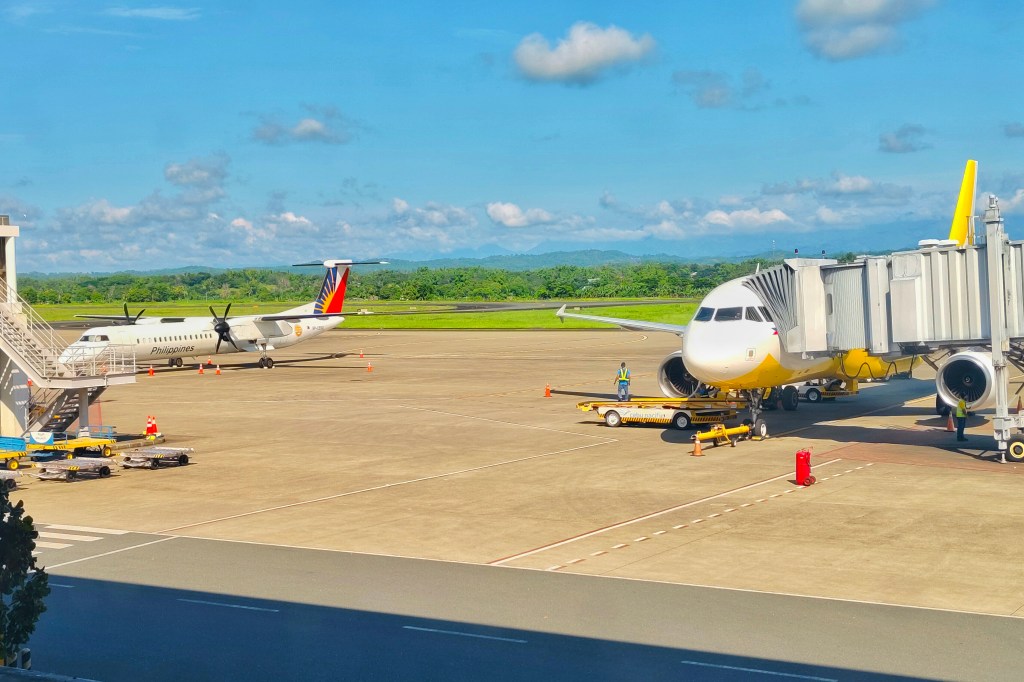
Iloilo International Airport (ILO) is a regional hub (the Philippines’ 5th busiest airport) with nonstop services to Singapore (Changi), Hong Kong (HKG) and even Bangkok (Don Mueang). Before you depart from Iloilo, be sure you have all needed documents and reservations in order: why
Passport & Visas: Ensure your passport is valid at least 6 months beyond your travel dates. For each destination check visa rules: Filipino nationals do not need a visa for short visits to Thailand (tourist stays up to 60 days), Hong Kong (up to 14 days), or Singapore (up to 30 days). If you plan a longer stay or other activities (work, study), arrange the proper visa in advance.
eTravel Registration: All passengers departing the Philippines must register on the Philippine eTravel system within 72 hours of departure. Go to etravel.gov.ph and complete the form; you will get a QR code. Show this green QR code (or printout) to your airline before boarding. This replaces the old departure card and helps speed your exit processing.
Flight & Check-in: Confirm your flight bookings and online check-in times. Arrive at ILO at least 3 hours before an international flight. At check-in you will hand over or show your passport, eTravel QR code, and tickets. Baggage allowance varies by airline – Philippine carriers like Cebu Pacific or PAL typically include or charge extra for checked bags, so verify your limit.
Terminal Fees & Taxes: For international departures from Iloilo, you must pay a Passenger Service Charge (terminal fee) of ₱900. (Domestic flights from an international airport pay ₱350.) The ₱900 fee is usually not included in your ticket, so pay it at the airport before proceeding to immigration. Also pay the national Travel Tax: a full-economy fare traveler owes ₱1,620. (First/business fares pay ₱2,700.) You can pay travel tax online via the TIEZA system or MYEG site, or at a TIEZA counter/airline desk before check-in. Keep the receipts – you may need to show them. For quick reference: keep about ₱2,600 in cash when flying internationally (₱900 fee + ₱1,620 tax) in case online payment isn’t done or accepted.
Miscellaneous: Pack any required medication (with prescriptions), adaptors, and COVID-era essentials (masks, sanitizer) just in case. No COVID test/vaccine proof is required for Thailand, Hong Kong, or Singapore in 2025, but check current rules days before travel. Always have a travel insurance policy if possible.
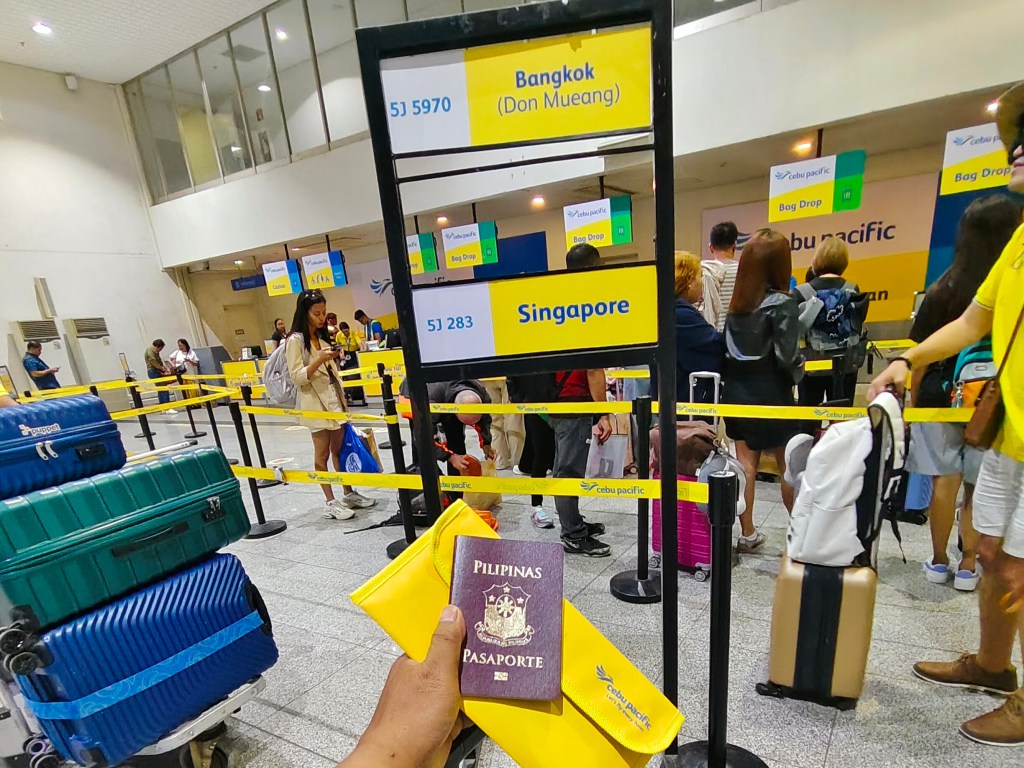
Immigration Tips and Common Questions
Departure immigration at Iloilo is usually straightforward (simply check your documents). More often, you’ll face questions on arrival in each country. Prepare clear, concise answers and carry proof of onward plans. For example, border officers frequently ask:
- “What is the purpose of your visit?” – e.g. “Tourism,” “Business,” or “Visiting family”.
- “How long do you intend to stay?” – give specific dates or duration.
- “Where will you be staying?” – provide the hotel name/address or friend’s place.
- “Do you have a return or onward ticket?” – always carry and show your next flight booking.
- “Do you have enough money for your trip?” – officers want to know you can afford your stay. Carry bank cards, statements or cash as evidence.
- “What is your occupation?” – mention your job or studies to show ties to home.
- “Traveling alone or with others?” – if with family/friends, say who; if solo, just say “alone”.
(They may also ask for a brief itinerary or travel insurance proof.)
Answer calmly and truthfully. It’s normal to be nervous, but immigration screens just want to confirm your legitimate travel plans. Do not over-explain or lie (they can often verify your info). For example, a good response is: “Tourism, I plan to stay 10 days, booked at [Hotel], and I have a return flight on [date].” Keep passports and documents handy and approach the counter confidently.
Hong Kong immigration checkpoint (no arrival cards needed for most tourists).
Fees and Payments at Iloilo Airport
All fees at Iloilo Airport are government-mandated. Don’t fall for rumors of hidden surcharges – just pay the official amounts:
Domestic Passenger Service Charge: ₱350 (for domestic flights out of ILO). This is usually already in your ticket if flying Cebu Pac or PAL.
International Passenger Service Charge: ₱900. At ILO this is normally paid at the gate (cash only) before passing immigration.
Philippines Travel Tax: ₱1,620 for Economy (₱2,700 for First/Business). This is a national exit tax. You can pay it online (TIEZA.gov.ph) or at the airport. Keep your receipt.
Payment Tips: Many travelers find it easiest to pay the PSC & travel tax in cash at the airport. Carry at least ₱3,000 (for both fees) just in case. Airlines like CebuPac might not collect these when you book, so expect to pay at check-in or airport counters. TIEZA counters usually accept credit/debit cards too (plus a small service fee).
Check Your Ticket: When booking, check if the fee appears in the price. If it does, you won’t need to pay again. Otherwise, assume you’ll pay separately at ILO.

Traveling to Thailand: Visa & Entry
Filipinos enjoy friendly terms with Thailand. No tourist visa is needed for stays up to 60 days. (Thailand recently expanded its visa exemption from 30 to 60 days for many nationalities, including the Philippines.) You can even extend up to 90 days total at a Thai immigration office if needed. Starting in mid-2025, Thailand requires all visa-exempt travelers to apply online for an ETA (Electronic Travel Authorization) before flying. It should be launched by June 2025; once live, enroll on the Thai ETA website and bring the QR approval.
Before departure to Thailand:
Check your flight itinerary (e.g. if flying via Manila or another hub; there is a new Iloilo–Bangkok (Don Mueang) route roughly 3h55, or you may connect through Manila).
Make a printout of your hotel booking or details of your stay (addresses).
Ensure no yellow fever vaccination is needed (only required if coming from an infected region, which is unlikely on a Philippine itinerary).
Upon arrival in Thailand:
Fill out the arrival card on the plane or at the airport (these are usually provided by the airline).
Hand your passport (and ETA if applicable) to the immigration officer. You may be asked the same questions as above (purpose, length, hotel, funds). Filipinos will get a 60-day stamp.
After immigration, collect bags and proceed through customs. Declare any large sums of money (over $10,000 or equivalent) or restricted items.
Thailand does not require mandatory travel insurance, but it’s wise to have it. Healthcare is good but fees can be high for foreigners.
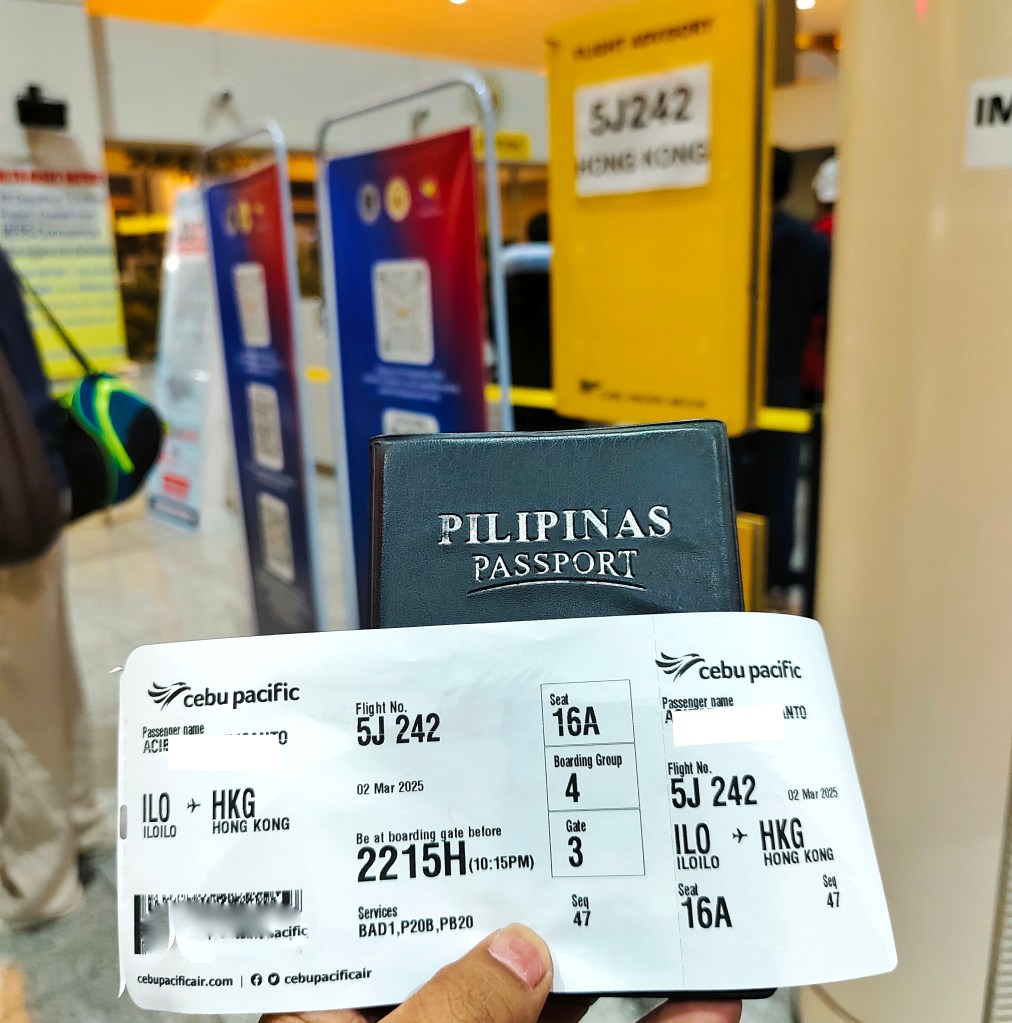
Hong Kong immigration: Philippine passport holders get 14-day visa-free entry, and no arrival card is needed.
Traveling to Hong Kong: Visa & Entry
Hong Kong is very straightforward for Filipino tourists. No visa is required for stays up to 14 days. (If you plan to stay longer or work, you must apply for the appropriate visa beforehand.) There are no COVID-19 entry restrictions as of 2025. Also, Hong Kong has eliminated arrival/departure immigration cards – you simply show your passport and entry is recorded electronically.
Before flying:
Ensure your eTravel departure form is done (just like with Singapore).
Have your return ticket and proof of funds handy; Hong Kong immigration officers may still ask for these (especially for work/long stays).
Upon arrival in Hong Kong:
Go to the immigration hall. Look for the “Non-residents” or “Visitors” lane. Scan your passport at the e-gates (if eligible) or present it to an officer.
Answer any quick questions (likely the same list above). If you have an onward ticket, show it. Hong Kong officers typically stamp passports without much hassle for tourists.
After immigration, collect luggage and exit. There’s no customs form unless you are bringing large amounts of cash or dutiable goods. Enjoy the efficient transit into the city – Hong Kong’s Airport Express train and MTR make it easy to reach downtown.
Traveling to Singapore: Visa & Entry
For Filipinos, Singapore is visa-free for short visits: you’ll be granted up to 30 days on arrival. All COVID-era requirements have been lifted. The key formalities are online forms:
Philippine Departure Form: Same as any international trip, ensure you did the PH eTravel registration (again, departure and arrival use the same system).
SG Arrival Card: Singapore now requires visitors to complete an online SG Arrival Card within 3 days before landing. This is a health declaration and immigration entry card rolled into one. After submitting, you get a QR code to show at immigration. (This replaced the paper card on the plane.)
Other Vaccinations: No routine vaccinations (like yellow fever) are needed unless you’re coming from certain regions. Confirm on the ICA website if needed.
Upon landing in Singapore (Changi Airport):
Have your passport and SG Arrival Card QR code ready. Proceed to immigration counters (singapore has straightforward signs).
Answer the officer’s questions (again: purpose, length, hotel, ticket, funds). Singapore’s immigration is strict about these, but as a short-stay tourist you should be fine.
Filipinos typically receive a 30-day social visit pass on arrival. If you intend to stay longer (visit relatives, etc.), consider arranging in advance or seeking an extension.
After immigration, collect bags and proceed. Changi’s transit is easy, and the city is just a quick MRT/Grab away.
Final Checklist
Money: Carry some US dollars or Singapore dollars for emergencies (banks are everywhere, but having cash helps small purchases). Philippine pesos are not accepted abroad.
Emergency Copies: Keep digital scans of passport, visas, travel insurance and itineraries. Email them to yourself or use cloud storage.
Contacts: Note the Philippine embassy/consulate numbers in each country in case you need assistance.
Luggage Security: Don’t leave bags unattended at any airport or train station.
Enjoy Your Trip: With all paperwork done, relax and have a great journey from Iloilo!
 Ilonggo Traveler
Leave a comment